If you’ve ever found a dusty, half-used tube of toothpaste in the back of your bathroom cabinet and wondered if it’s still safe to use, the short answer is: Yes, it does expire, and while it probably won't hurt you, it definitely won't help you much either.
Standard toothpaste generally has a shelf life of about two years from its manufacturing date. Here is a breakdown of what happens after that date and why it matters for your oral health.
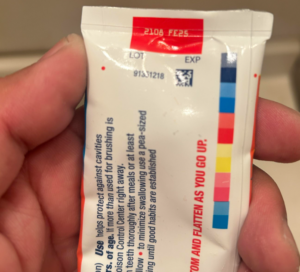
1. The Fluoride Problem (Why it Actually Expires)
The primary reason toothpaste has an expiration date is because of fluoride.
The Decay of Defense: Fluoride is the active ingredient that remineralizes your enamel and prevents cavities. Over time, fluoride ions lose their stability and effectiveness.
The FDA Connection: Because the FDA classifies fluoride as a drug, manufacturers are required to include an expiration date to guarantee that the fluoride is still potent enough to actually protect your teeth.
The Reality: Brushing with expired toothpaste is like fighting a fire with a weak garden hose—it might do something, but it’s not providing the professional-grade protection you need.
2. Sensory "Red Flags"
If you can't find the date (usually stamped on the crimped end of the tube), look for these physical signs that the paste has gone bad:
Separation: If you squeeze the tube and a watery liquid comes out before the paste, the ingredients have destabilized.
Texture Changes: Expired paste often becomes unpleasantly gritty, dry, or even "rubbery."
The Taste Test: The flavoring agents (like peppermint oil or saccharin) break down over time. If your "cool mint" taste has turned sour or bitter, it’s time to toss it.
3. Is it Dangerous?
In most cases, no. Using a tube that expired last month won't make you sick. However, there are two minor risks to keep in mind:
Bacterial Growth: Especially in natural or "preservative-free" toothpastes, bacteria or fungi can begin to grow inside the tube over time, especially if the cap hasn't been closed tightly.
False Security: The biggest danger is the long-term risk of cavities. If you spend two minutes brushing with ineffective paste, you're missing out on the critical enamel-strengthening window your teeth need twice a day.
Don’t Throw it Out! (Second Life Hacks)
If you have a perfectly good (but expired) tube, don't waste it. The mild abrasives in toothpaste are fantastic for household chores:
Polish Your Silver: It works wonders on tarnished jewelry or silverware.
Clean Your Sneakers: Use an old toothbrush and the expired paste to scrub the white rubber "foxing" on your shoes.
Remove Crayon Marks: It’s a secret weapon for parents whose kids have decided the hallway is a canvas.
Clear the Sink: It can actually buff out minor water spots and grime on bathroom fixtures.
The Verdict: If it's past the two-year mark, buy a fresh tube for your teeth and save the old one for your sneakers. Your enamel will thank you.