Every parent knows the struggle of the "witching hour" and the desperate search for anything that helps a newborn sleep longer. If you’ve been looking into baby side pillows (also known as sleep positioners), you’ve likely seen claims that they prevent flat head syndrome or help with acid reflux.
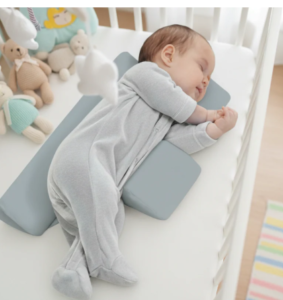
But as we move through 2026, the conversation around infant sleep has shifted. Between new safety regulations and updated pediatric guidelines, choosing the right sleep support is more than just a matter of comfort—it’s a matter of safety.
In this guide, we’ll break down the top-rated options, the medical risks you need to know, and what pediatricians actually recommend for your baby’s nursery.
What is a Baby Side Pillow?
BUY AMAZON
A baby side pillow is a sleep positioner designed to keep an infant on their side or back. They typically consist of two foam bolsters connected by a fabric mat.
Common reasons parents use them include:
Plagiocephaly Prevention: Keeping pressure off the back of the head.
Reflux Support: Elevating or positioning the baby to reduce spitting up.
Comfort: Mimicking the feeling of being held or snuggled.
The Elephant in the Room: Pediatrician Advice & Safety
Before we look at the "best" picks, we have to address the AAP (American Academy of Pediatrics) and CPSC (Consumer Product Safety Commission) guidelines.
The Gold Standard: "Back to Sleep." To reduce the risk of SIDS, babies should always sleep on a firm, flat surface free of pillows, blankets, or bumpers.
Why Side Pillows Are Controversial
The primary risk is suffocation. If a baby rolls into the foam bolster or if the pillow causes them to roll onto their stomach prematurely, it creates a breathing hazard. In 2026, Google and medical experts prioritize products that are used for supervised lounging only, rather than unsupervised overnight sleep.
Top Picks for 2026: Loungers and Positioners
Note: These products should only be used under direct supervision and never in a crib for overnight sleep.
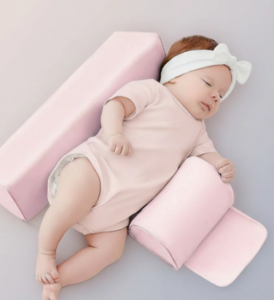
1. Best for Breathability: The Airflow Mesh Positioner
BUY AMAZON
Many modern side pillows now use 3D Mesh technology. Unlike traditional memory foam, these allow for maximum airflow, reducing the risk of overheating.
Pros: Lightweight, washable, high breathability.
Cons: Still requires 100% supervision.
2. Best for Flat Head Prevention: The Ergonomic Head Support
Rather than a full side bolster, these are small, contoured pillows designed to cradle the head while the baby is in a bouncer or stroller.
3. Best for Travel: The Foldable Sleep Pod
For parents on the go, these compact loungers provide a familiar space for "tummy time" or supervised naps during travel.
Benefits vs. Risks: A Quick Comparison
| Feature | The Benefit | The Risk |
| Side Bolsters | Prevents rolling and keeps baby in place. | Risk of rolling into the fabric and suffocating. |
| Incline | Can help reduce acid reflux symptoms. | May cause the baby’s head to chin-tuck, blocking the airway. |
| Soft Padding | Provides a "womb-like" comfort. | Soft surfaces are linked to higher SIDS risks. |
3 Safer Alternatives to Side Pillows
BUY AMAZON
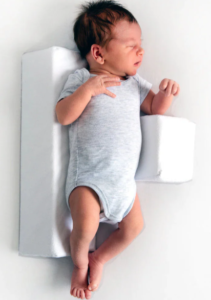
If you are worried about your baby’s sleep quality or head shape, consider these pediatrician-approved alternatives:
Strict Tummy Time: The best way to prevent a flat head is plenty of supervised tummy time while the baby is awake.
Swaddles and Sleep Sacks: These provide the "snug" feeling babies crave without the suffocation risk of a pillow.
Crib Wedges (Under the Mattress): If reflux is a major issue, some doctors suggest placing a wedge under the crib mattress (never on top) to create a slight, safe incline.
Final Verdict for 2026
While baby side pillows can be helpful tools for supervised daytime lounging or managing specific head-shape concerns, they are not "safe sleep" devices for the night.
Our Advice: Invest in a high-quality, breathable positioner for your daytime routine, but stick to a bare, flat crib for the night. Your baby's safety is worth more than a few extra minutes of quiet.
FAQ
Q: Can I use a side pillow if my baby has reflux? A: You should consult your pediatrician first. Most doctors now recommend smaller, more frequent feedings and keeping the baby upright for 30 minutes after eating rather than using a sleep positioner.
Q: At what age can a baby sleep with a pillow? A: Most experts recommend waiting until at least 12 to 18 months before introducing any pillows or blankets into the sleep environment.
Disclaimer: This guide is for informational purposes only and does not replace professional medical advice. Always consult with your pediatrician before introducing new sleep products.