If you’ve spent any time looking into weight loss treatments online, you’ve likely stumbled across advertisements for "skinny shots" or weight loss clinics offering Vitamin B12 injections. Proponents claim these shots blast through fatigue, supercharge your metabolism, and melt away stubborn body fat.
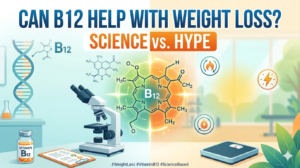
But does the science actually back up the hype, or is it just clever marketing?
Before you spend your money on pricey clinics or supplements, let’s break down exactly how Vitamin B12 interacts with your metabolism, what the research says about weight loss, and whether B12 can actually help you drop pounds.
What is Vitamin B12 and What Does It Do?
Vitamin B12 (cobalamin) is an essential water-soluble nutrient that your body cannot produce on its own. You have to get it through your diet (primarily from animal products like meat, fish, eggs, and dairy) or through supplementation.
B12 plays several vital roles in keeping you healthy:
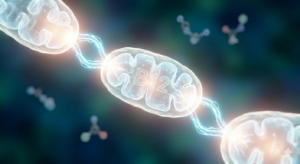
Cellular Energy Production: It helps your body convert the carbohydrates, fats, and proteins you eat into usable cellular energy (ATP).
Red Blood Cell Formation: It is essential for producing healthy red blood cells, which transport oxygen throughout your body.
Neurological Function: It maintains the protective myelin sheath around your nerves, ensuring proper brain and nervous system function.
Does Vitamin B12 Directly Cause Weight Loss?
To put it bluntly: No. Vitamin B12 is not a fat-burning miracle worker.
There is currently no direct clinical evidence showing that taking high doses of Vitamin B12 will actively burn fat, suppress your appetite, or alter your fat metabolism if you already have normal B12 levels.
So, why is it so heavily linked to weight loss? The connection is indirect and boils down to how B12 fights fatigue.
The Energy Connection
If you are deficient in Vitamin B12, your body cannot produce enough red blood cells to transport oxygen efficiently. This leads to a condition called megaloblastic anemia. The hallmark symptoms of this deficiency are crushing fatigue, muscle weakness, and brain fog.
When you are chronically exhausted, your capacity to stay active drops significantly:
You are less likely to exercise or hit your daily step goals.
Your neat (Non-Exercise Activity Thermogenesis)—the subtle movements like pacing, standing, and fidgeting—decreases as your body tries to conserve energy.
Fatigue often triggers cravings for high-calorie, sugary comfort foods for a quick energy spike.
If a doctor corrects a true B12 deficiency with injections or supplements, your energy levels restore. Suddenly, you have the stamina to cook healthy meals, hit the gym, and move more throughout the day. The resulting weight loss comes from increased physical activity and better lifestyle choices, not the vitamin itself.
Why Do Weight Loss Clinics Promote B12 Injections?
If B12 doesn't directly burn fat, why do medical spas and weight loss clinics charge premium prices for B12 and "Lipotropic" (MIC) shots?
There are two main reasons:
Placebo and Caloric Deficits: Most commercial B12 weight loss programs pair the injections with a highly restrictive, low-calorie diet and exercise regimen. The dramatic weight loss is a direct result of the caloric deficit, but the injections often get the credit.
Lipotropic Combinations: Many clinics do not inject pure B12. Instead, they use "Lipotropic cocktails" containing B12 mixed with compounds like Methionine, Inositol, and Choline (MIC). While these compounds are involved in liver fat metabolism, large-scale clinical trials proving they cause significant weight loss in humans are still lacking.
Who Actually Benefits from B12 Supplementation?
While B12 won't cure weight loss struggles for everyone, addressing a deficiency is incredibly important for overall metabolic health. Certain groups are at a much higher risk for low B12 levels and should monitor their intake:
Vegans and Vegetarians: Because B12 is found naturally almost exclusively in animal foods, those on strict plant-based diets frequently require supplements or fortified foods.
Adults Over 50: As we age, our stomachs produce less gastric acid and intrinsic factor—both of which are required to absorb B12 from food.
People with Gastrointestinal Disorders: Conditions like Celiac disease, Crohn’s disease, or a history of gastric bypass surgery can severely impair B12 absorption in the small intestine.
Individuals on Certain Medications: Long-term use of metformin (a common medication for Type 2 diabetes and PCOS) or proton pump inhibitors (acid reflux medications) can interfere with B12 absorption.
Signs You Might Actually Have a B12 Deficiency
If you are struggling with unexplained weight gain or a complete lack of energy to exercise, it is worth asking your doctor for a simple blood test to check your serum B12 levels.
Common symptoms of a genuine deficiency include:
Chronic, unexplained fatigue or lethargy
A smooth, swollen, or sore tongue (glossitis)
Pins-and-needles sensations (tingling) in your hands and feet
Frequent mood changes, irritability, or depressive symptoms
Difficulty with balance or mild memory lapses
The Bottom Line
If your Vitamin B12 levels are already healthy, getting extra B12 injections or taking massive doses of supplements will not speed up your weight loss journey. Your body will simply excrete the excess vitamin through your urine.
However, if a deficiency is secretly dragging down your energy, correcting it can be the catalyst that gives you your stamina back. True, sustainable weight management still relies on a balanced caloric deficit, consistent movement, and adequate sleep—but having optimal energy levels makes executing that plan a whole lot easier.